In Mawza District, Taiz governorate, Abdullah Ali grew up in a simple rural village surrounded by crop fields and small livestock pens. From a young age, he dreamed of education and a better future. He enrolled in the College of Education to become a teacher, imagining a life spent guiding children towards opportunity. But reality was harsh. Employment was scarce, and he was forced to work in agriculture and generator maintenance to provide for his large family of eight children.
Then the war tore through his life in the most unimaginable way. ‘My house was bombed, and I lost eleven members of my family in one instant – including my brothers, their children, and my mother,’ Abdullah recalls. The trauma was unbearable, and he had no choice but to flee. He spent three years in Abyan governorate, moving from one shelter to another, struggling to find work and rebuild a life.
Returning to Mawza after years of displacement, Abdullah found his village scarred by conflict, with homes destroyed, shops closed, and markets struggling to supply food. Jobs were few, and daily life remained a battle.
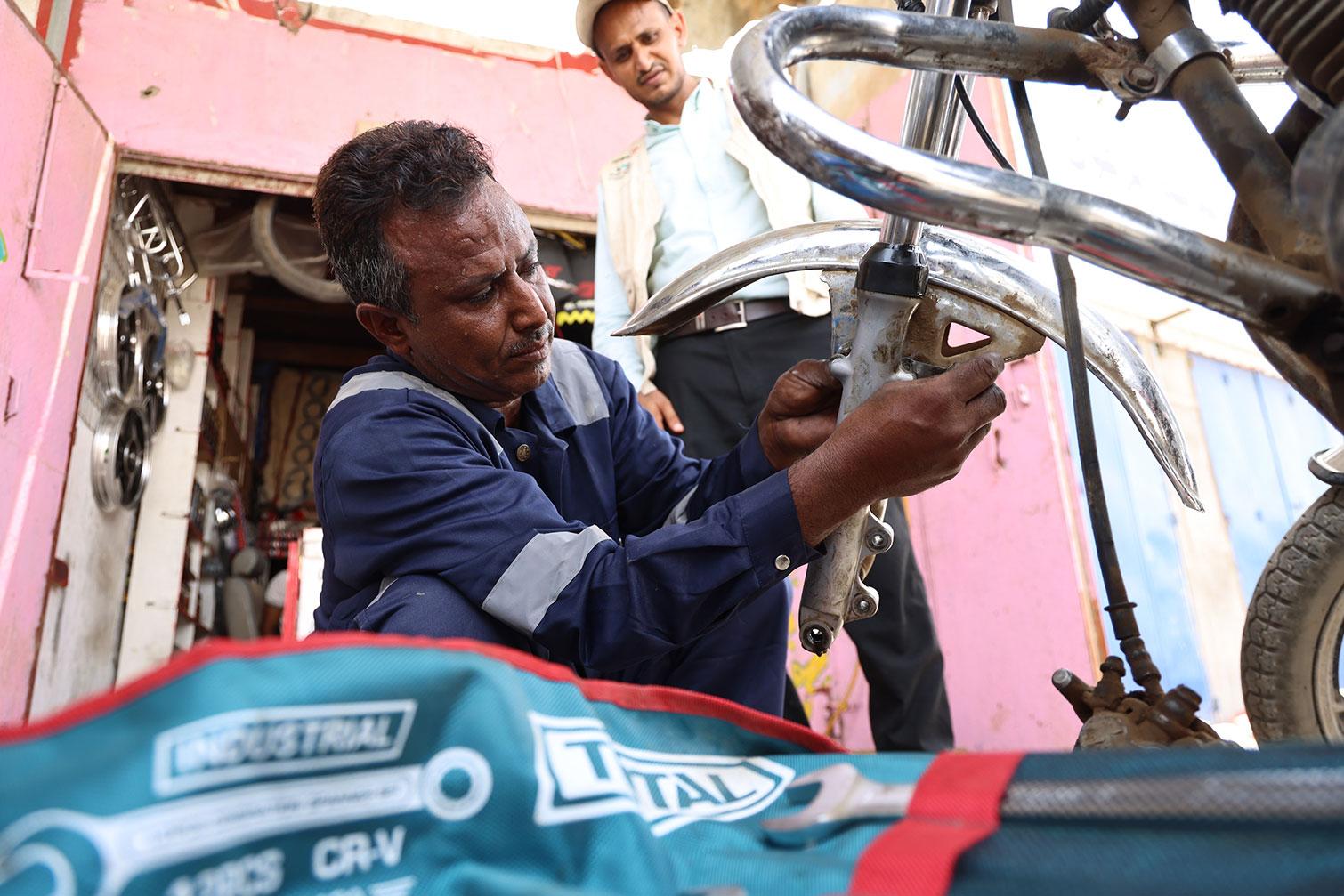
Hope arrived in the form of a vocational training programme in motorcycle maintenance, offered by Nahda Makers Organization (#NMO) in partnership with #Cordaid and funded by the #European_Union. Abdullah, already experienced in technical repairs, joined with determination. ‘The training wasn’t just learning to fix motorcycles. It gave me confidence, and at the end, I received a full toolkit. That was my bridge to independence,’ Abdullah remarks.
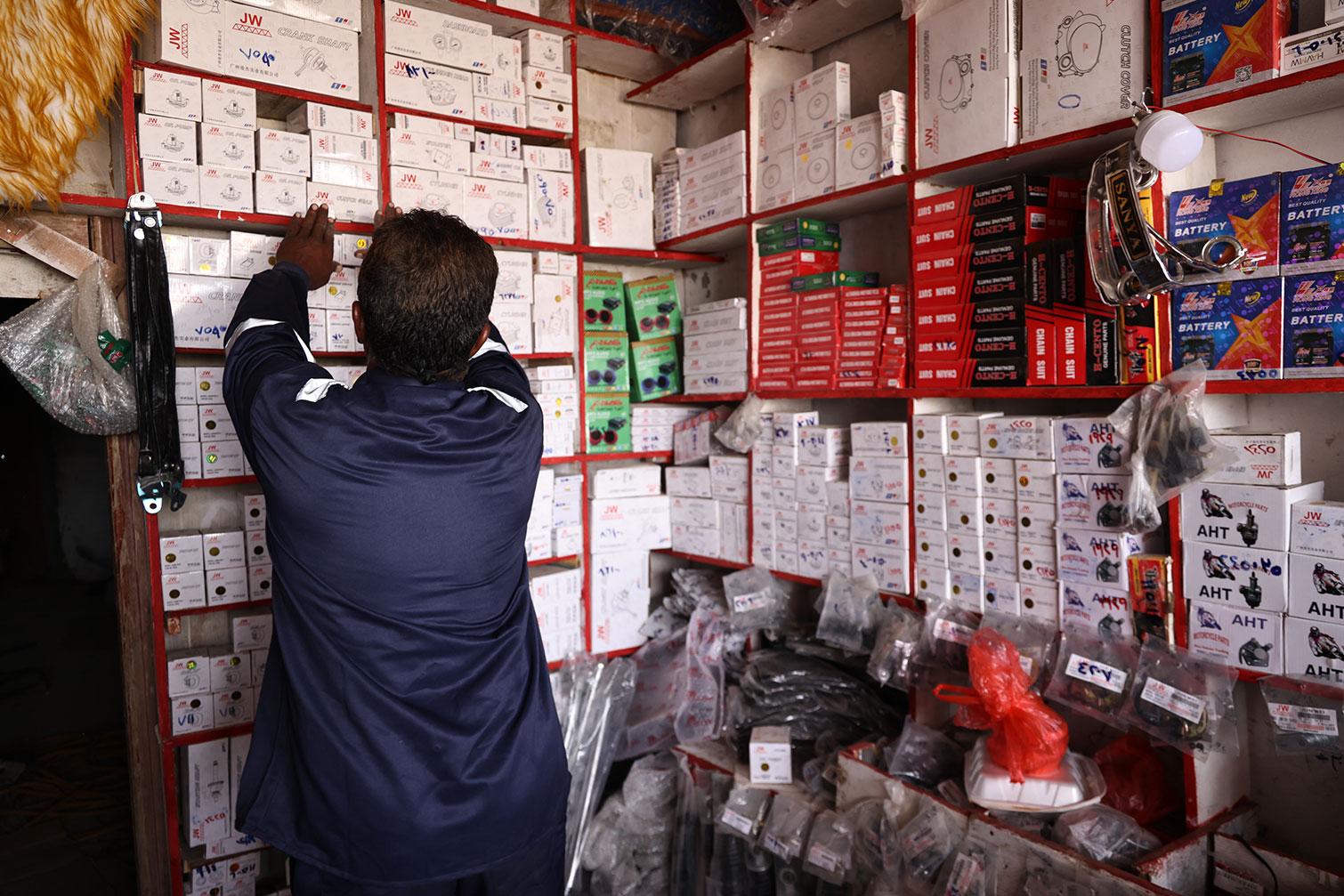
Shortly after the training, Abdullah opened a workshop in his village. People bring bikes with broken chains, dead batteries, and damaged brakes. ‘I repair two to three motorcycles every day. And every motorcycle I fix is another step towards stability for my family,’ he says. ‘And I urge my clients, especially the young ones, they should seize any training opportunities they can find, and to start working right away, even on a small scale. Because with time,’ he remarks, ‘small steps can grow into something bigger.’
Abdullah’s story is one of resilience and determination. Through the EU-funded project, he has transformed loss into opportunity, showing his village – and especially young people – that even in the shadow of tragedy, a new beginning is possible.